
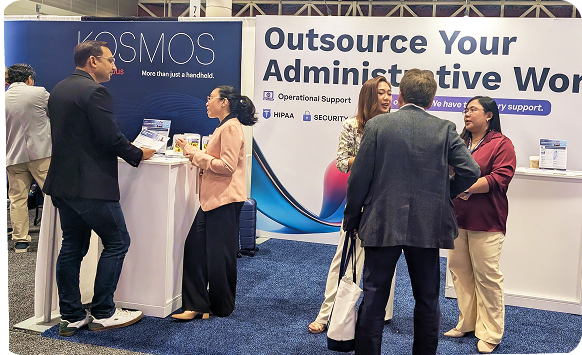
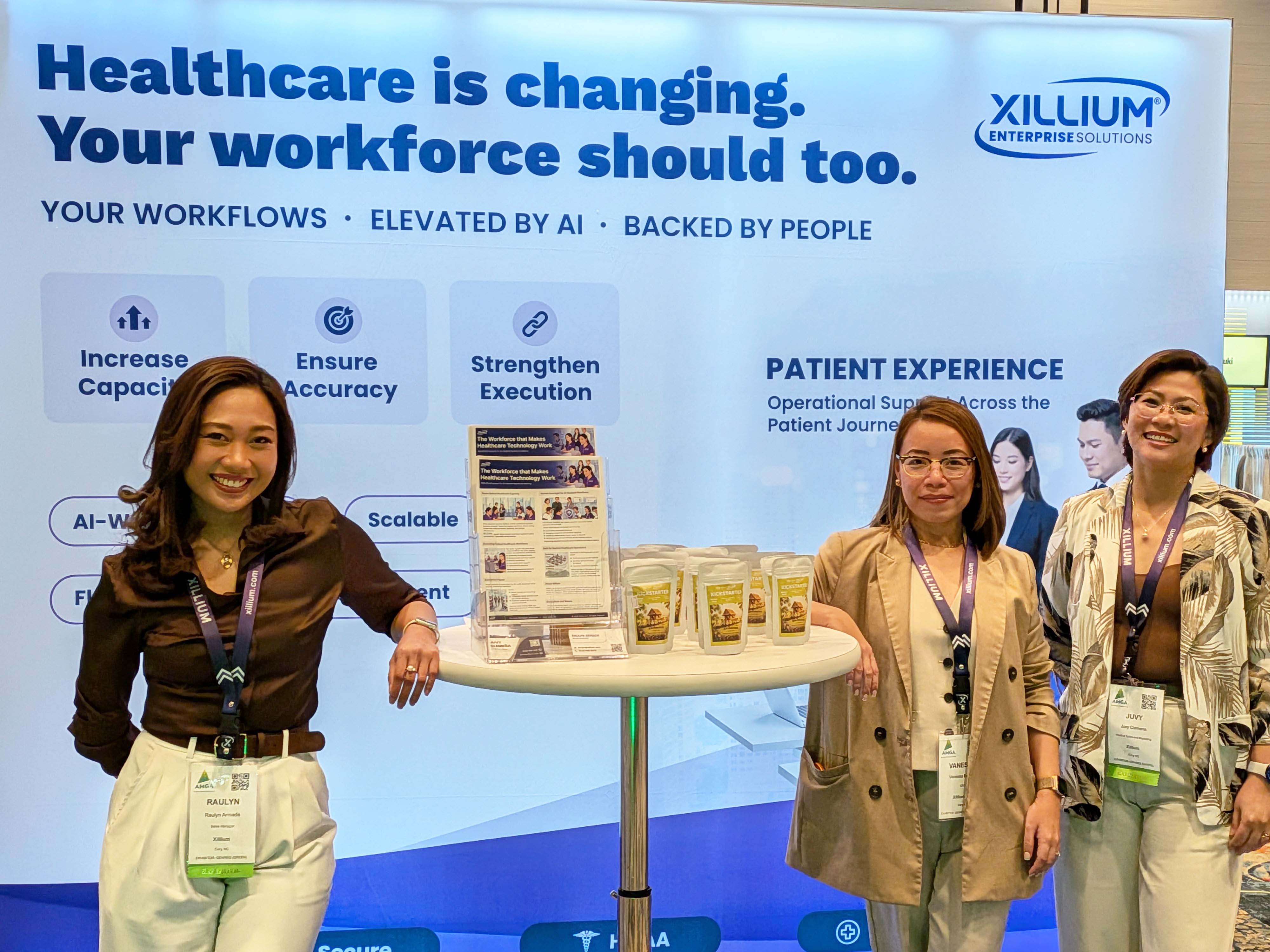


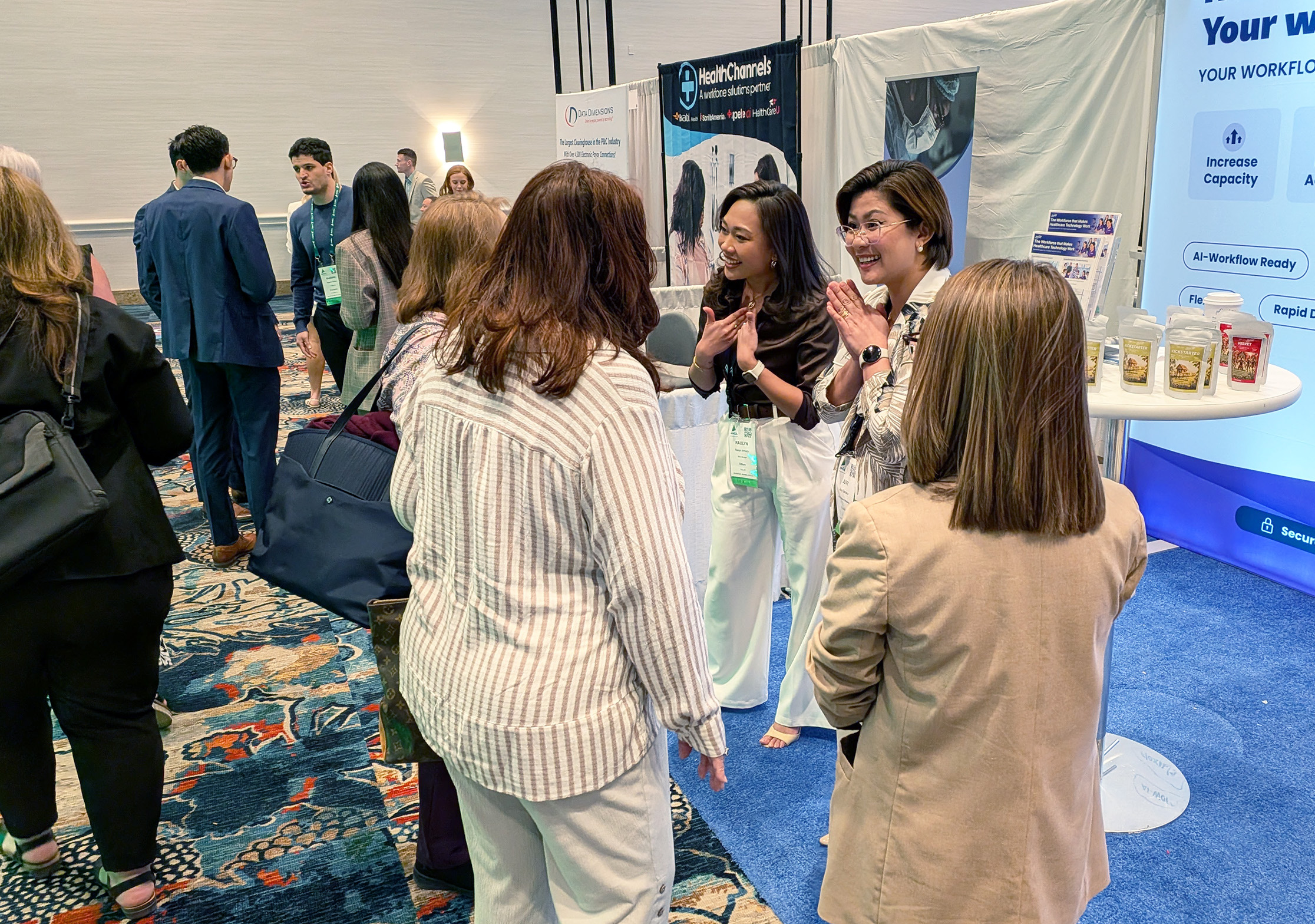
At our last stop this spring, AI came up more naturally as part of how teams are thinking about improving workflows.
Workflow strain is showing up in care coordination and care gaps, particularly in value based care settings. There were also questions around team management and supporting the people side of operations.
As workflows become more complex, keeping them moving takes both the right support and clear ownership.
.jpg)
.jpg)
.jpg)
.jpg)
Workflow friction is showing up in different ways.
It came up in referral breakdowns, coordination issues, and workflows that aren’t consistently followed.
AI also came up in a few conversations, particularly around managing workflows and improving efficiency, with some focus on keeping a human in the loop.
The mix of perspectives was broad, but the pattern was consistent. Work is moving, but not always cleanly.
.jpg)
.jpg)
.jpg)
Most conversations came back to one thing: staffing pressure in day to day operations.
Practice leaders talked about front desk gaps, unstable coverage across teams, and the need for support tied to patient care, especially around coordination and medication adherence.
The signal was clear. Not just a need for more people, but for support that can actually keep workflows moving.
.jpg)
.jpg)
.jpg)
.jpg)
The focus: software development and AI integration.
Conversations were technical, fast-paced, and clearly centered on what’s coming next. For teams grounded in operations, it sits outside the usual comfort zone—and that’s the point. It exposed how far innovation has moved on the tech side, and how critical it is to connect that progress back to day-to-day healthcare delivery.
Clinicians from hospitals, group practices, and community clinics spoke about staffing turnover and workflow strain over coffee and chocolates. Many were interested in how virtual and hybrid sup port could bring stability and let teams focus more on patient care, marking a meaningful close to our event year.
Read On
Daily pressures like calls, prior auths, and admin work came up often in Houston, with many practice owners and staff looking for ways to lighten the front desk.
Learn More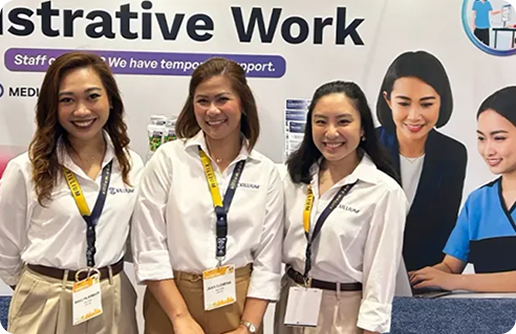
Conversations with primary care providers and practice managers focused on streamlining workflows, cutting admin work, and managing staff turnover, with local coffee and chocolates adding to the experience.
Learn More
Agency leaders shared operational challenges from QA backlogs to staffing gaps, highlighting how strong community and the right support drive better and scalable care.
Learn More
Clinicians shared experiences of staffing turnover and workflow strain, with strong interest in virtual and hybrid support to stabilize operations and refocus teams on patient care.
Learn More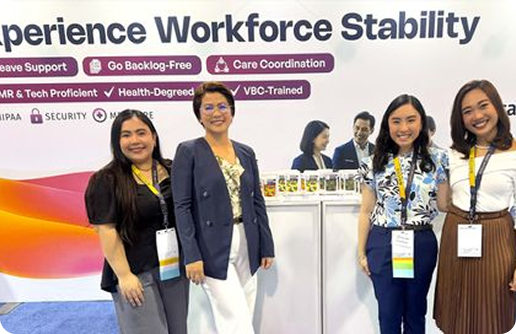
Family medicine leaders are navigating staffing shortages and admin strain, with growing interest in reliable remote support to stabilize workflows and sustain patient care.
Learn More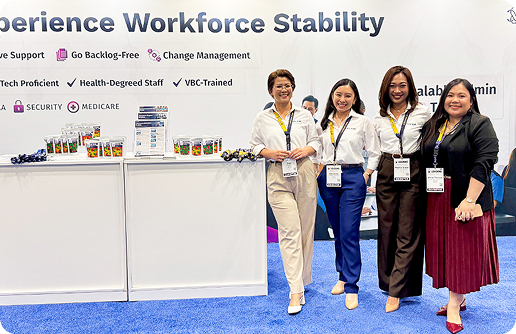
Healthcare leaders are redefining workforce stability as a strategic priority, focusing on structured support, leave coverage, and resilient staffing models to sustain operations and patient care.
Learn More